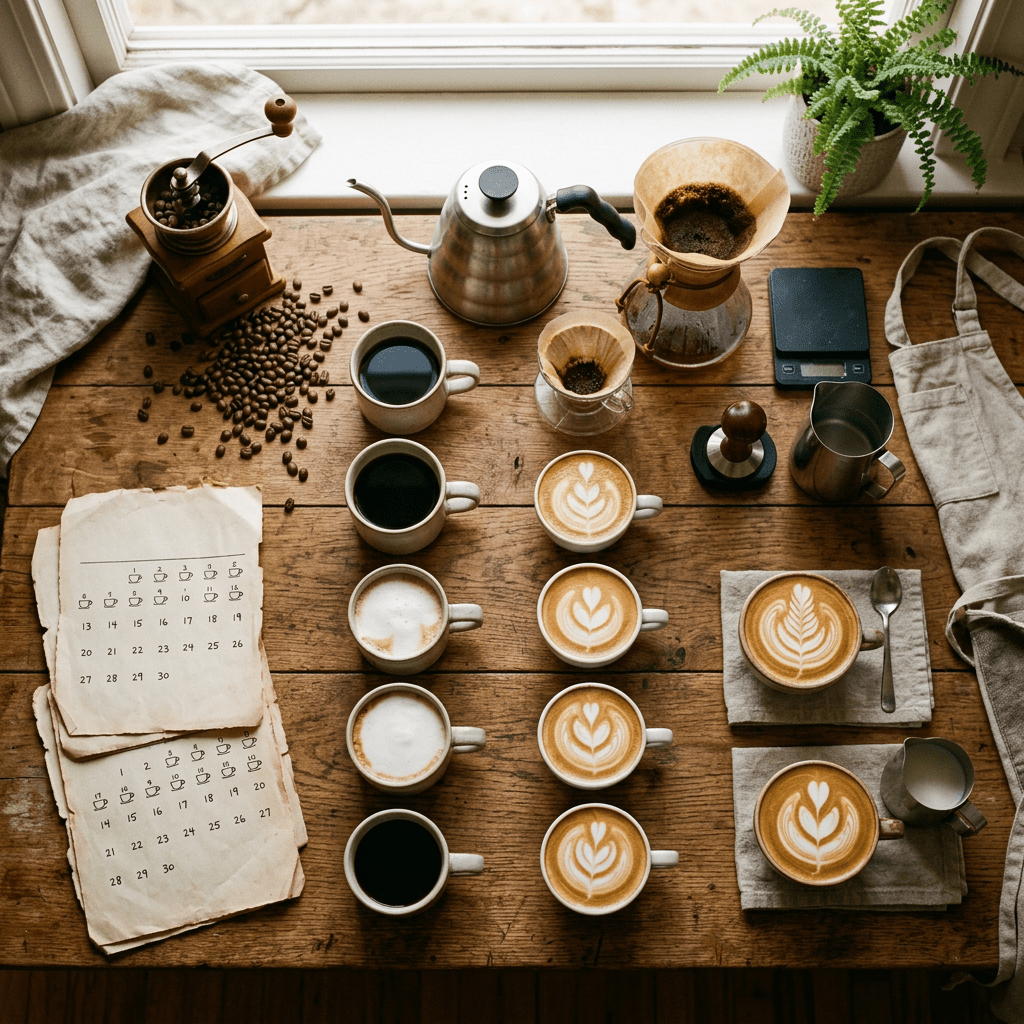
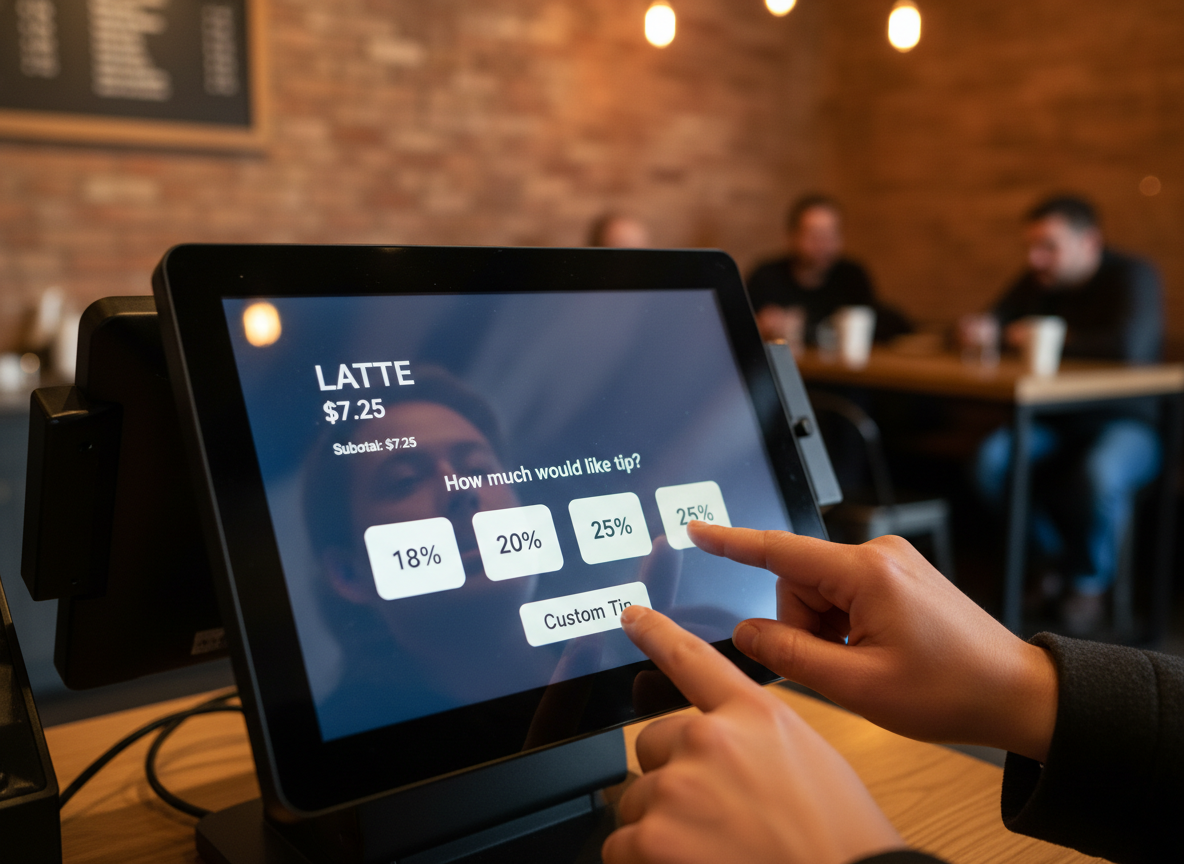
It was a Tuesday. I was standing in line at my usual coffee shop, half-asleep, already planning my order. A large iced latte, maybe an extra shot. I tapped my card, glanced at the screen, and blinked: $7.25. For a coffee. Plus tip. Again.
I didn’t even feel the purchase anymore. It was just… a thing that happened every morning, like brushing my teeth or checking my phone. But something about that price — maybe the Tuesday of it all — made me pause. I had an espresso machine sitting on my counter at home. I had beans. I had a grinder. And yet here I was, nine dollars lighter, holding a cup someone else made.
That was the moment. Thirty days. No buying coffee out. Just me, my equipment, and whatever I could learn.
This post contains affiliate links. As an Amazon Associate I earn from qualifying purchases. If you purchase through links on this page, I may earn a small commission at no extra cost to you.
Why I Did It (The Backstory)
Buying coffee out had become autopilot. Not a treat, not a ritual — just a reflex. Wake up, commute, coffee shop, swipe card. Repeat. And for a long time, I’d convinced myself it wasn’t that much money. It’s just coffee, right?
Then I did the math. $5–$7 per day × 30 days = $150–$210 a month. That’s not “just coffee.” That’s a car payment. A weekend trip. A really nice piece of coffee gear. I’d been spending a small fortune on caffeine without a second thought.
But honestly? The money wasn’t the only thing that motivated me. I was curious. I’d had my Breville Barista Express for over a year and still felt like I was barely scratching the surface of what it could do. I’d pull a shot, it would taste okay, and I’d move on. I’d never really tried to get good at it. The 30-day challenge was as much about learning as it was about saving money on coffee.
Could I actually make something I’d be excited to drink every morning? Only one way to find out.
Week 1: The Struggle Is Real
Day one was humbling. I pulled my first shot and it came out thin, bitter, and fast — what the coffee community affectionately calls a “channeling disaster.” The grind was way too coarse. The extraction looked like light brown water sprinting through a basket. I poured it down the drain and tried again.
Day two: over-extracted. Sour and slow. The grind was now too fine. I adjusted. Then I over-dosed the basket. Then I under-tamped. There were a lot of variables to get wrong, and I found most of them.
The YouTube Rabbit Hole
By day three, I had watched approximately one million YouTube videos on espresso extraction. I learned about the “golden ratio” (roughly 1:2, coffee to espresso). I learned that grind size affects flow rate. I read about tamping pressure. I discovered that my foam technique was, in technical terms, completely wrong.
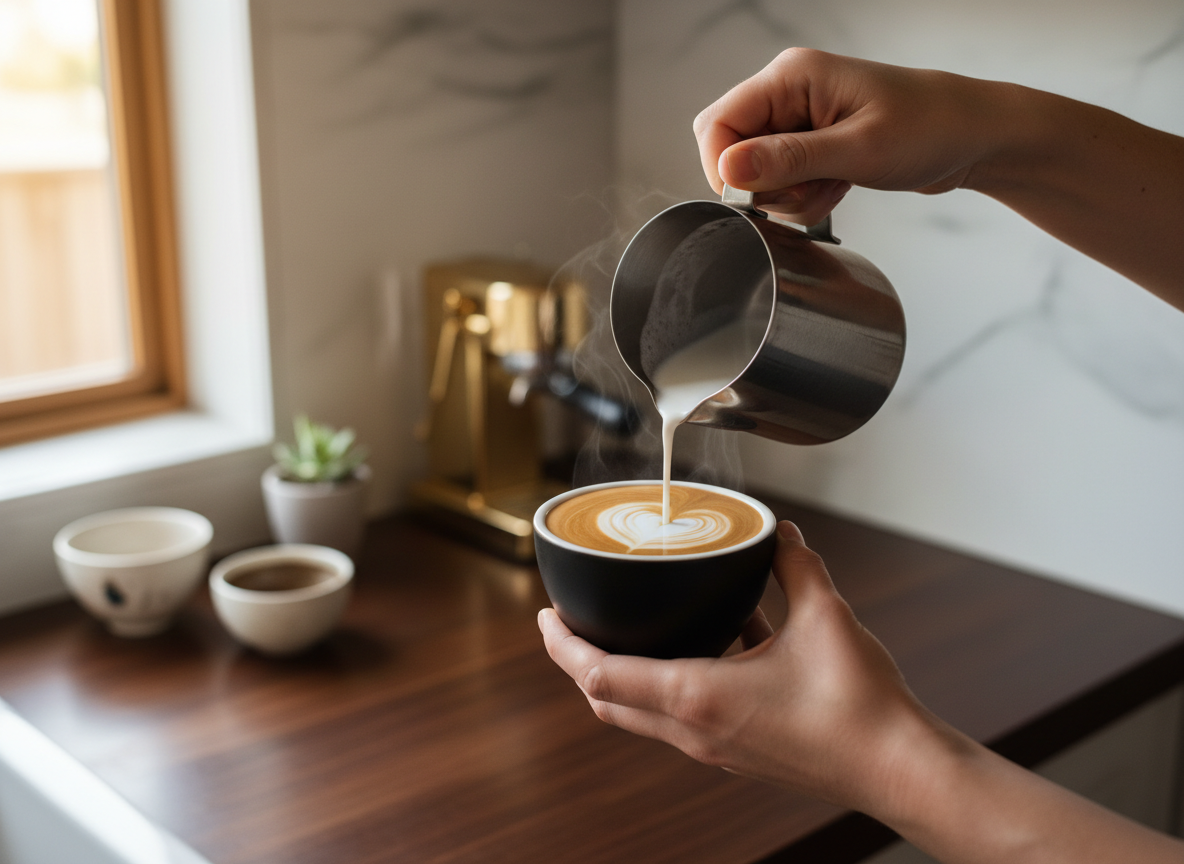
The learning curve was real. But somewhere around day five, something clicked. I pulled a shot that ran in 28 seconds, came out a deep amber, and actually smelled like something I wanted to drink. I steamed my milk until it was just warm enough to hold texture. I poured it over the shot, watched the crema swirl, and took a sip.
It wasn’t perfect. But I made it. And it was actually good.
Week one ended with cautious optimism and a kitchen that smelled permanently of espresso. I could work with that.
Week 2: Finding My Rhythm
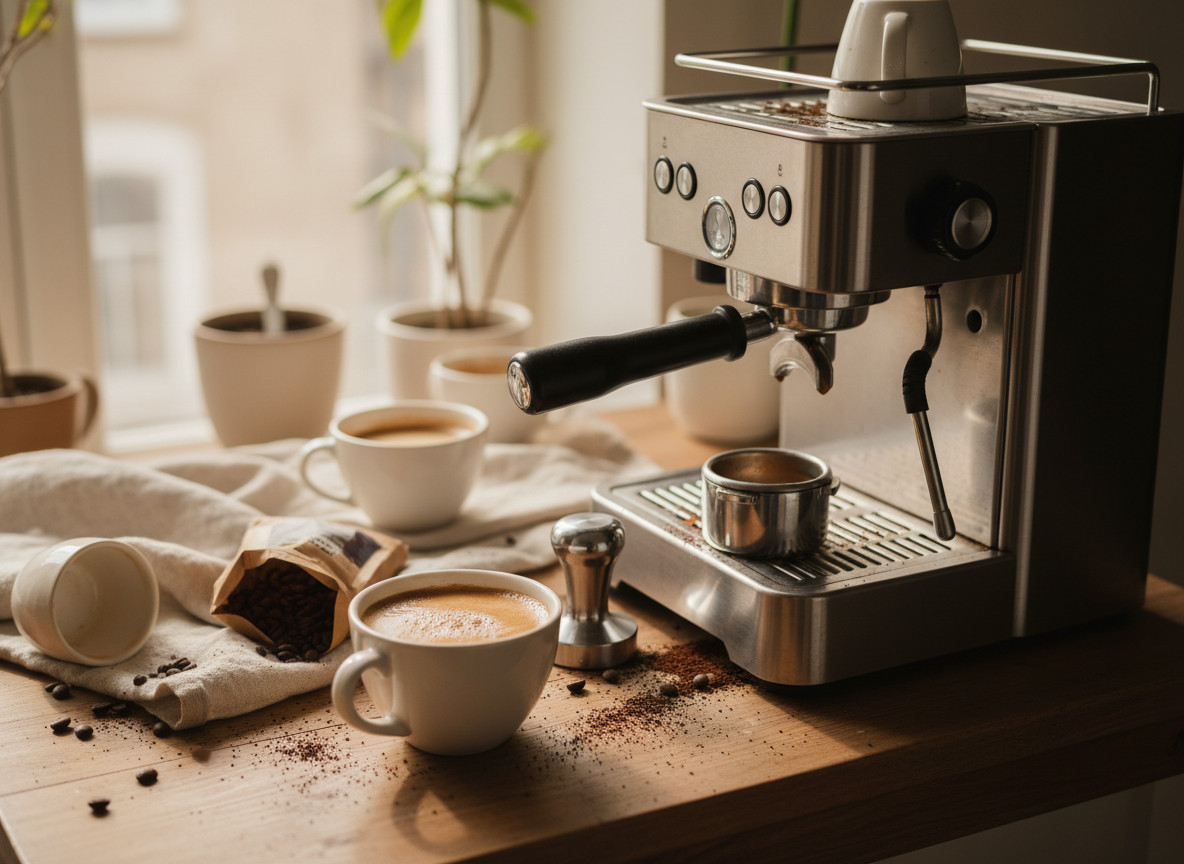
Week two was where things started clicking. Not perfectly — there were still bad shots, still milk foam that was more frothy bubble bath than silky microfoam — but a pattern was emerging. A routine was forming.
I started waking up with a specific sequence in mind: preheat the machine, grind the beans, dial in the dose, pull the shot, steam the milk. Each step was deliberate. Each step had meaning. I wasn’t just making coffee anymore — I was building a home coffee routine that actually felt intentional.
Dialing In the Grind
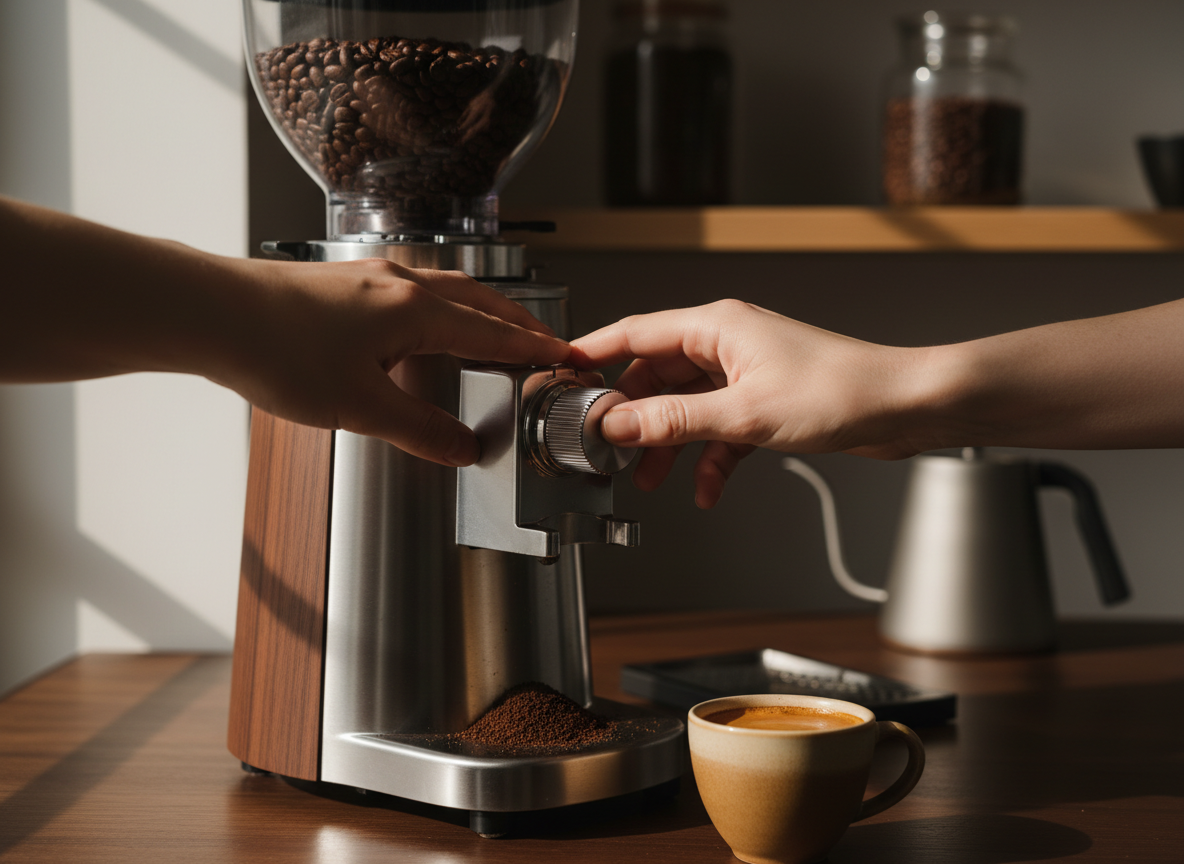
The biggest revelation of week two was understanding grind size. I’d always treated it as an afterthought — set it once, leave it. But grind size is everything in espresso. Too coarse and the water rushes through; too fine and it chokes. Every time I changed beans (even switching roast levels), the grind needed adjusting. If you want to go deeper on this, our grind size guide breaks it all down in plain language.
By day twelve, I had dialed in a setting that worked consistently with my current bag of beans. The shots were running 27–30 seconds. The crema was thick and golden. The taste had moved from “drinkable” to genuinely enjoyable. I found myself looking forward to the process, not just the result.
The morning had become something to actually settle into, instead of something to rush through on the way to the coffee shop. That shift surprised me more than anything else.
Week 3: The Cozy Morning Routine Takes Over
Something happened around day sixteen that I didn’t expect: I stopped thinking about the challenge as a money-saving exercise. It had become something else entirely.
It became a ritual. A real one. The kind of morning ritual that actually changes the texture of your day.
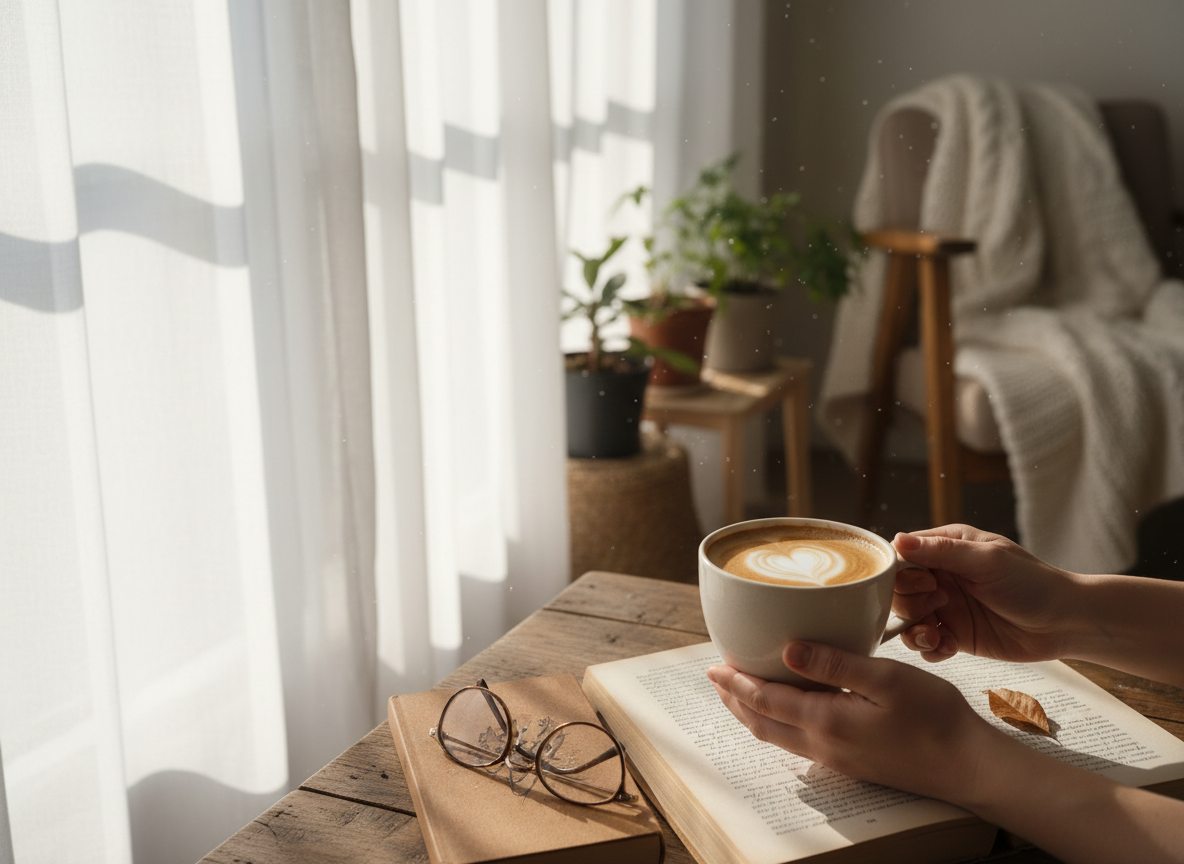
I started waking up looking forward to that first quiet fifteen minutes in the kitchen. The sound of the grinder. The smell of fresh grounds — earthy and floral and a little smoky depending on the roast. The mechanical warmth of the Breville preheating. The hiss of steam. And then: sitting down with a properly made drink, both hands around the mug, before the day had any demands.
Trying New Recipes
Week three was also where I started getting adventurous. I made a homemade oat milk latte — turns out barista-blend oat milk steams beautifully, almost as well as whole milk. I tried an iced brown sugar espresso on a warm afternoon and couldn’t believe how good it was. I made a simple Americano on a slow Sunday morning and drank it outside with a book, and it might have been the best twenty minutes of the entire month.
Brewing coffee at home had stopped being a substitute for something better. It was something better — because I was fully present for it.

Week 4: Coffee Shops Became Special Again
Around day twenty-three, I had a work meeting at a local coffee shop. I wasn’t there to buy a drink — just to sit across from someone and talk. But I ordered a sparkling water and looked around the room, and something was different.
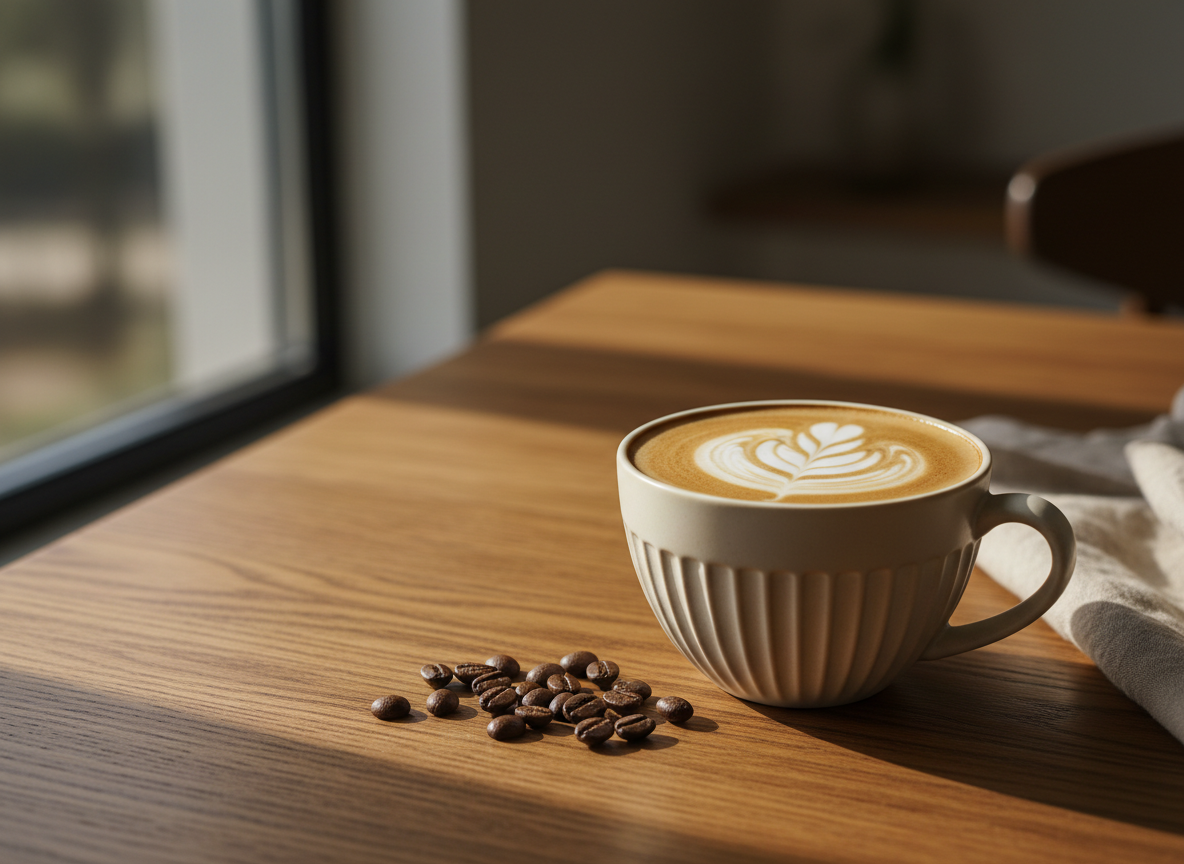
I noticed things I’d never noticed before. I watched the barista dose and tamp the portafilter with practiced ease. I noticed the way the espresso machine’s pressure gauge moved. I heard the milk steaming and thought: that’s the right sound. I watched a latte get poured with careful attention, the milk spiraling into a simple leaf shape.
After three weeks of doing this myself — badly at first, then better — I had a vocabulary for what I was watching. And with that vocabulary came a genuine, deep appreciation.
Coffee shops aren’t the enemy. They never were. They’re where craft lives at its highest level, where the equipment is dialed in perfectly, where years of training show up in a single cup. What the challenge gave me was the understanding to see that — and a sense that when I do go back, I want it to mean something.
The local café went from a morning reflex to an intentional experience. And honestly? That made it so much better.
The Results: What 30 Days Taught Me
Day thirty arrived quietly. I made my usual morning latte, sat down at my kitchen table, and took stock. Here’s what actually happened:
Money Saved
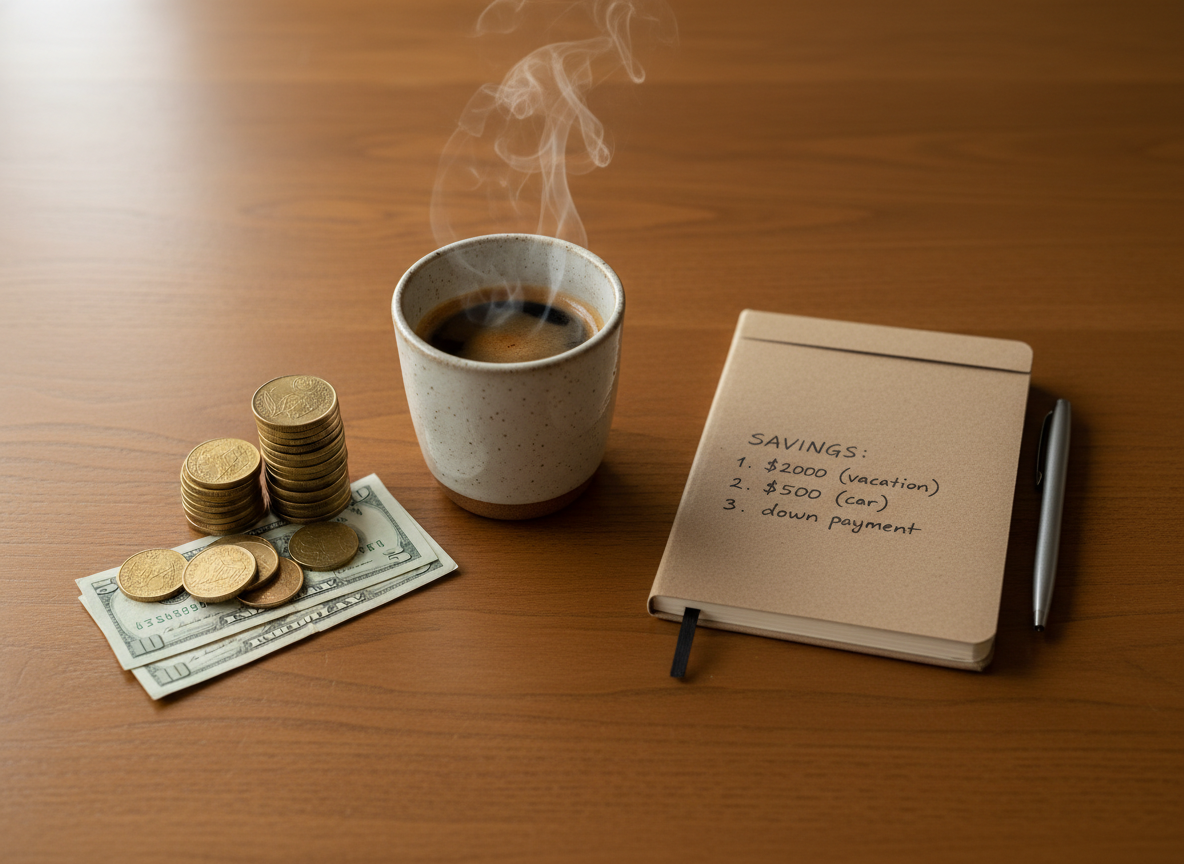
I saved roughly $150–$180 over the month. Beans cost me about $18 for a 250g bag, and I went through two of them. That’s $36 in coffee supplies versus what would have been $180+ in shop-bought drinks. The math is embarrassingly clear.
Skills Gained
I learned to actually dial in espresso — adjusting grind size, dose, and extraction time to taste. I learned to steam milk properly: the right angle, the right depth, the right temperature. I experimented with recipes I’d never tried before. A month ago I couldn’t reliably pull a decent shot. Now I can.
A Morning Routine Worth Keeping
This one surprised me most. The home coffee routine I built wasn’t just a habit — it became a genuinely grounding part of my morning. A few intentional minutes of craft before the chaos of the day. That’s worth more than I expected.
A Renewed Appreciation for Coffee Shops
Going back to a coffee shop now feels like a treat. A deliberate choice. Something I want to do, not something I do by default. That shift in perspective — local coffee shops as celebration rather than utility — makes every visit more enjoyable.
The Unexpected Bonus: Getting Curious About Coffee
I started reading about where my beans came from. Origins. Processing methods. Flavor notes. I found myself actually tasting my coffee instead of just drinking it. A month ago, I couldn’t tell the difference between a washed Ethiopian and a natural Brazilian. Now I can — and I want to know more. The home espresso challenge opened a door I hadn’t realized was there.
Would I Do It Again?
Yes. Without hesitation.
But here’s the thing — the goal was never to never buy coffee out again. That would be sad. Sitting in a beautiful café with a perfectly made flat white is one of life’s small joys, and I’m not giving that up.
The goal is to make home the default and coffee shops the experience. To reach for the machine first — not out of obligation, but out of genuine enjoyment. And to walk into a café with intention, not just habit.
If you’re thinking about trying your own coffee challenge, I’d encourage you to go for it — even if it’s just seven days, even if it’s just mornings. The learning curve is real but short. The rewards compound quickly. And somewhere around day ten, you might just fall a little bit in love with your own kitchen.
If you want to set yourself up for success, start with two things: getting your grind right (our grind size guide is the best place to begin) and making sure your home setup is actually built for what you’re trying to make (our home espresso setup guide walks through everything from entry-level to serious gear).
Make home your favorite café — not because you have to, but because you actually can.
Have you ever tried a no-buy coffee challenge? I’d love to hear how it went for you — drop a comment below.


Leave a Reply