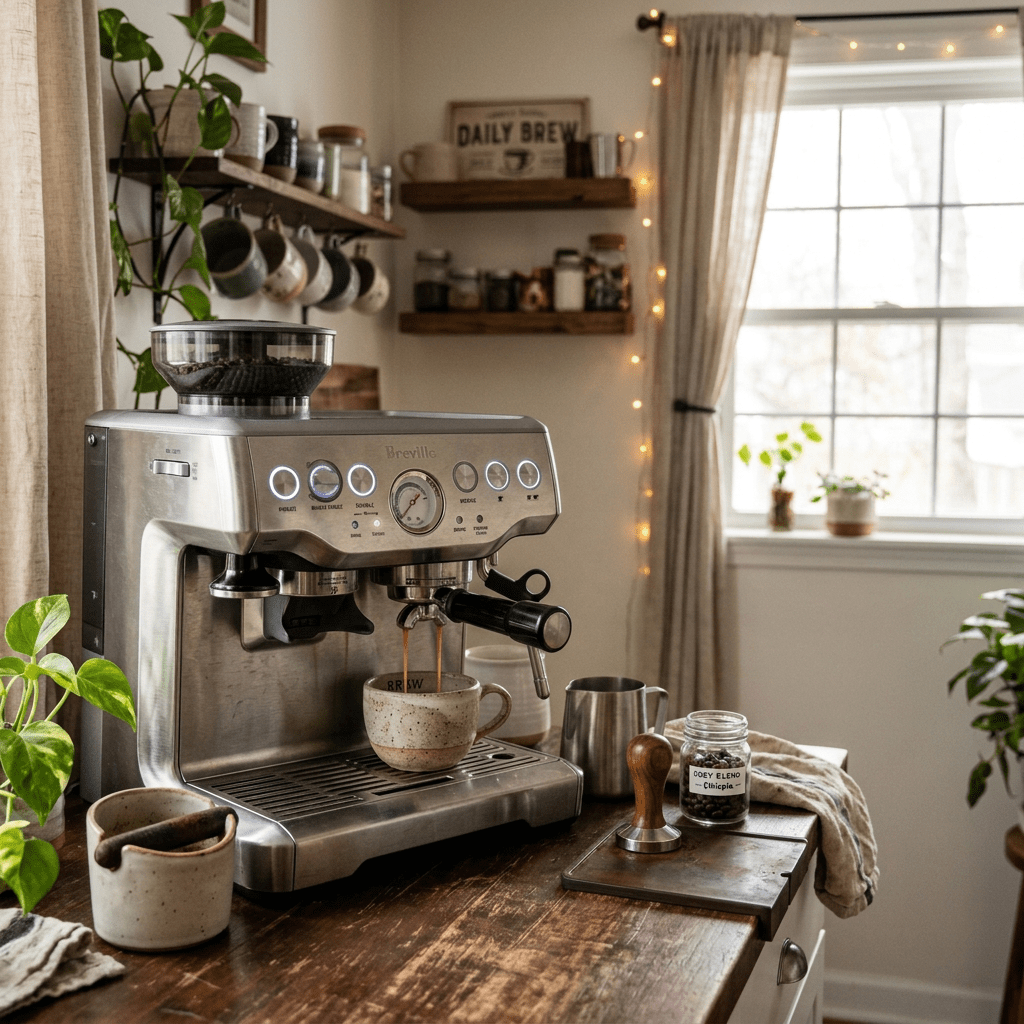
There’s a moment that every home coffee lover knows. You pull a shot of espresso, steam your milk just right, and take that first sip — and it’s exactly what you were hoping for. Warm, rich, balanced. Better, honestly, than what you grabbed on your way to work this morning.
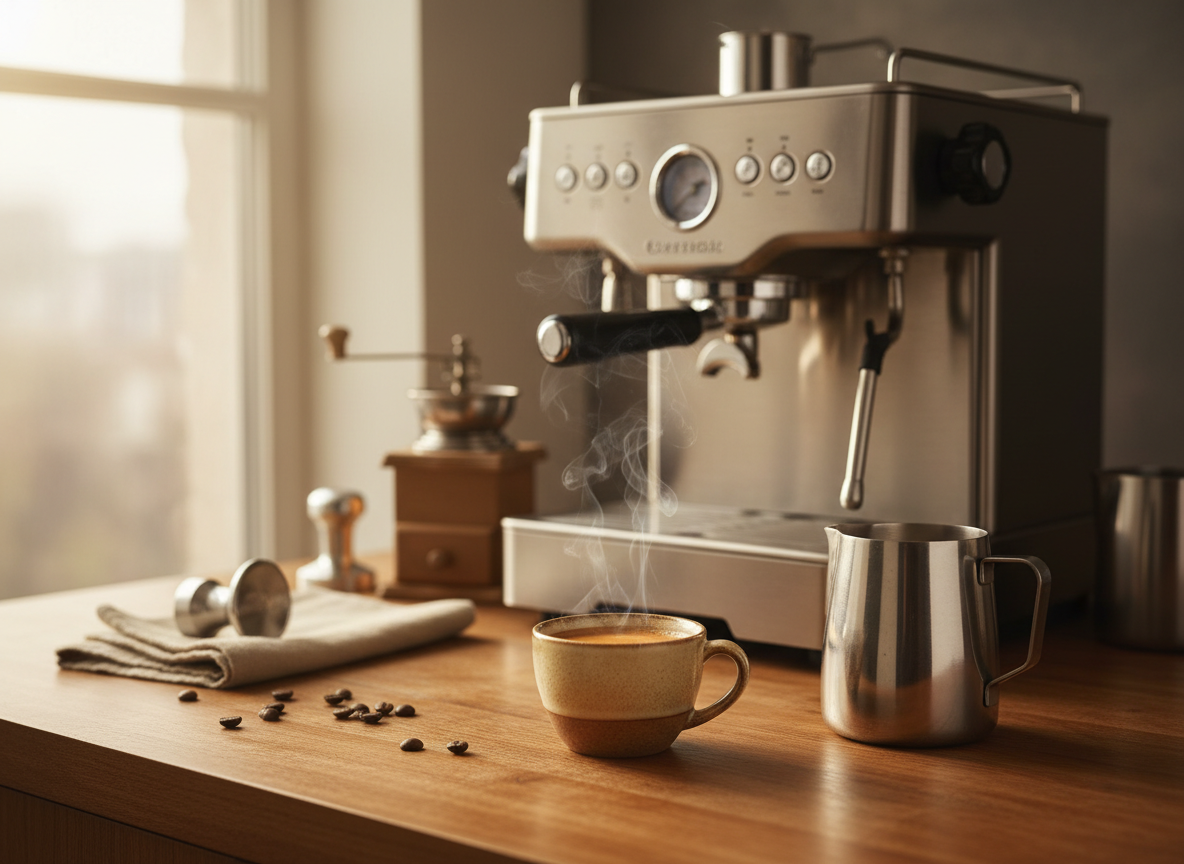
That moment is what Home Café Co. is built around.
I’ve always loved coffee — the ritual of it, the discovery of new cafés, the seasonal drinks I look forward to every year. But I also found myself spending more money on daily coffee runs than I wanted to. So I decided to do something about it.
When you make your own latte, you decide how sweet it is. You choose the beans. You dial in the grind. You texture the milk until it’s silky and pourable. And when you nail it, there’s a quiet satisfaction in that — a small but real sense of craft.
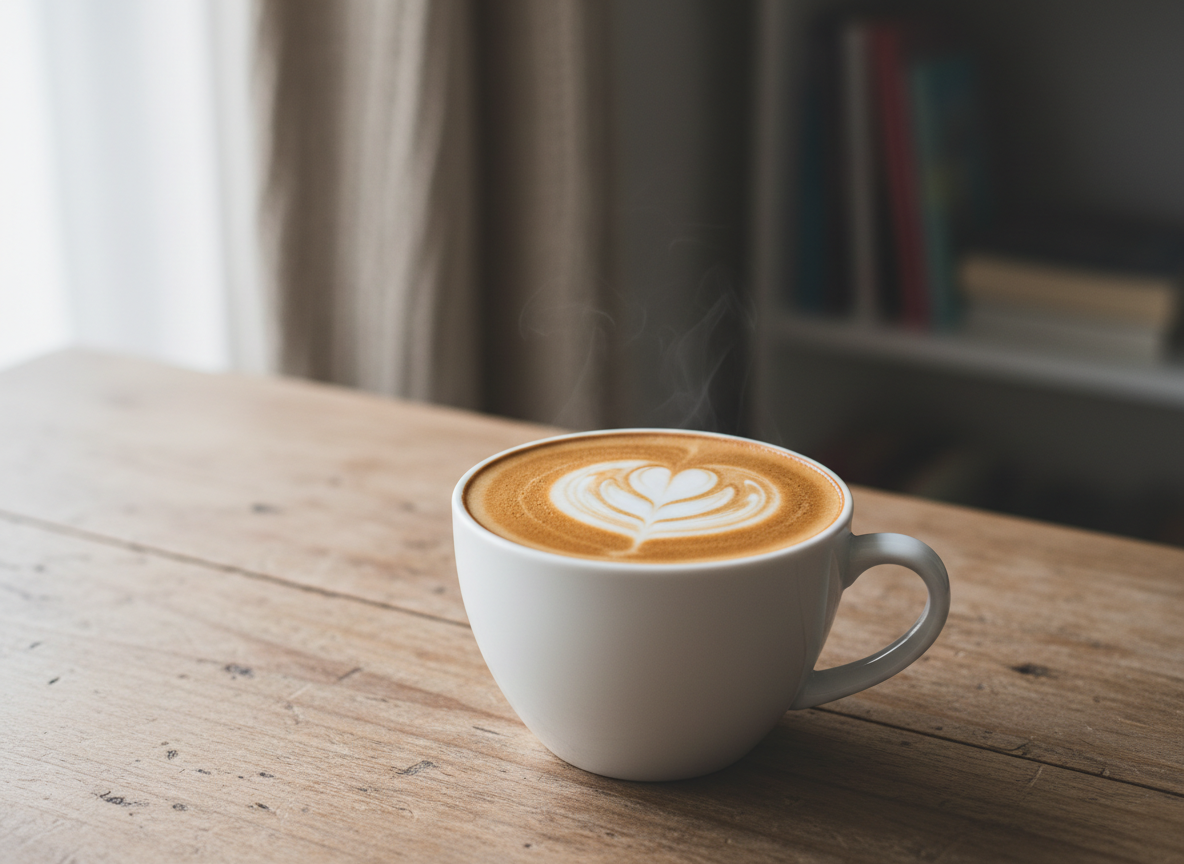
I started learning how to make café-quality drinks at home. And what I didn’t expect? I fell in love with the process itself.
Why Home Espresso Changes Everything
Making espresso at home isn’t just about saving money — though you will. It’s about control, creativity, and a slow-down moment built into your day.
Home espresso also changes your relationship with coffee shops. Instead of grabbing a drink out of habit or necessity, you go when you actually want the experience — trying a new café, meeting a friend, treating yourself to something seasonal. Those visits become something you look forward to, rather than something you do on autopilot.
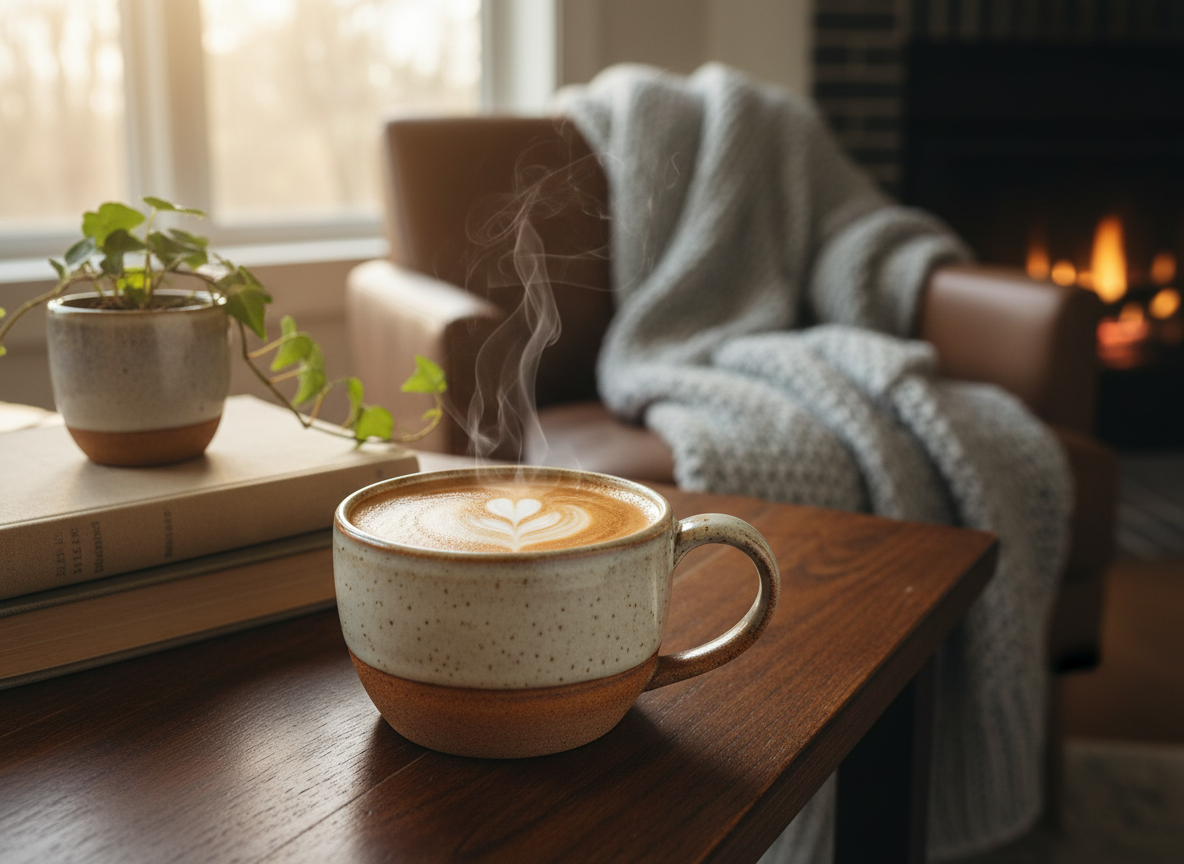
That’s the balance Home Café Co. is all about: great coffee at home, and more meaningful moments at the cafés you love.
So — where do you start? Let’s build your setup, one piece at a time.
1. The Espresso Machine: Your Home Café Centerpiece
When I was building my own home café, I chose the Breville Barista Express. It’s a great all-in-one machine for people who want real espresso — not just a pod — while still having something approachable enough to learn on. It has a built-in grinder, a steam wand, and enough control to actually teach you what good espresso looks and tastes like, and no — this is not a paid advertisement, I just personally found this to be the best all-purpose espresso maker for me to learn and grow with.
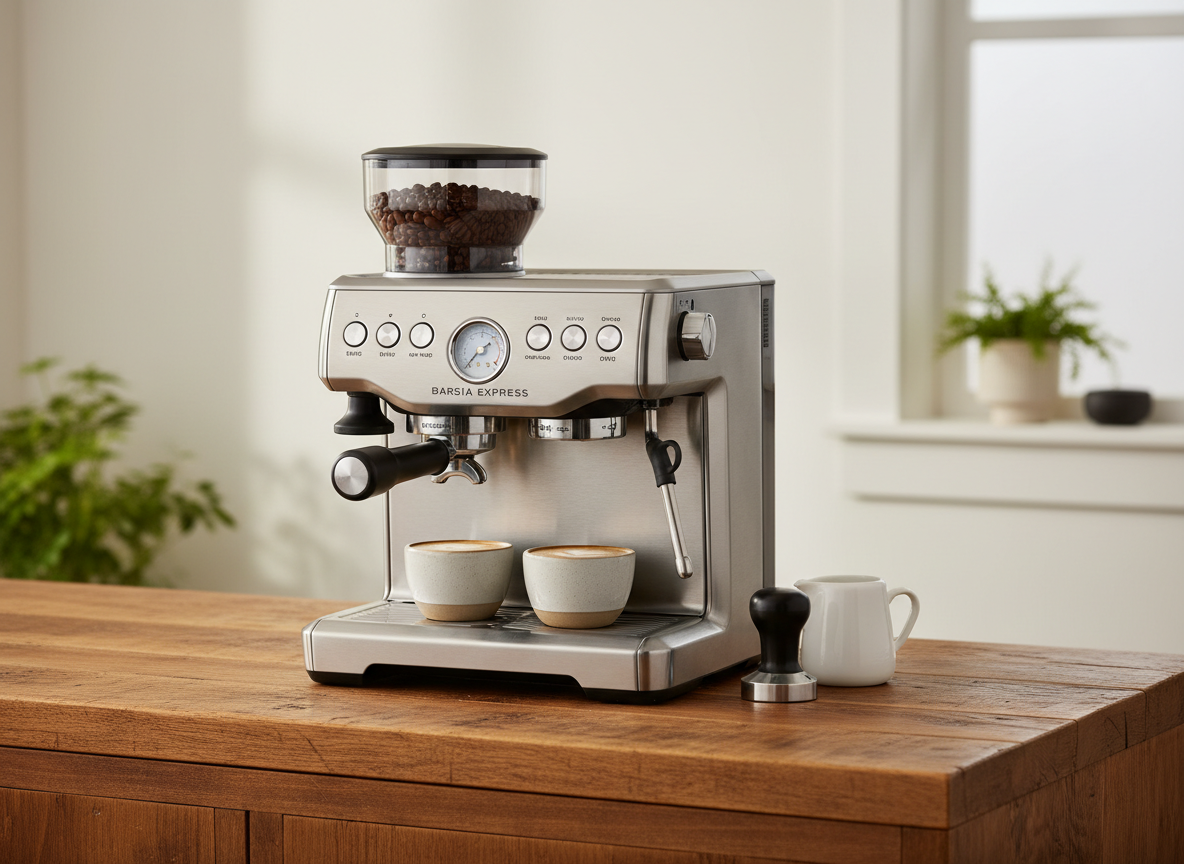
Your espresso machine is the heart of your setup, and choosing the right one makes a real difference — both in the quality of your drinks and in how much you enjoy the process.
Disclosure: This page contains affiliate links. If you purchase through a link, Home Café Co. may earn a small commission at no additional cost to you. I only recommend gear I’ve personally used or genuinely believe in.
I’m not here to tell you the Breville is the only machine worth buying — there are great options at many price points. But it’s what I started with, and I’ll be sharing everything I’ve learned using it as I go.
Whatever machine you choose, look for one that gives you control over grind size, dose, and extraction time. Those three variables are where espresso really happens.
Not sure which machine is right for you? I’ll be publishing a full gear guide soon — but for now, the Breville Barista Express is a strong starting point for anyone serious about home espresso.
[SEE THE BREVILLE BARISTA EXPRESS →]
2. The Grinder: More Important Than You’d Think
Espresso is ground much finer than drip coffee — think fine salt, not coarse sand. And the grind size affects how water flows through the puck during extraction, which changes the flavor of your shot completely.
Here’s something a lot of people discover after they buy their first espresso machine: the grinder matters just as much as the machine itself. Maybe more.
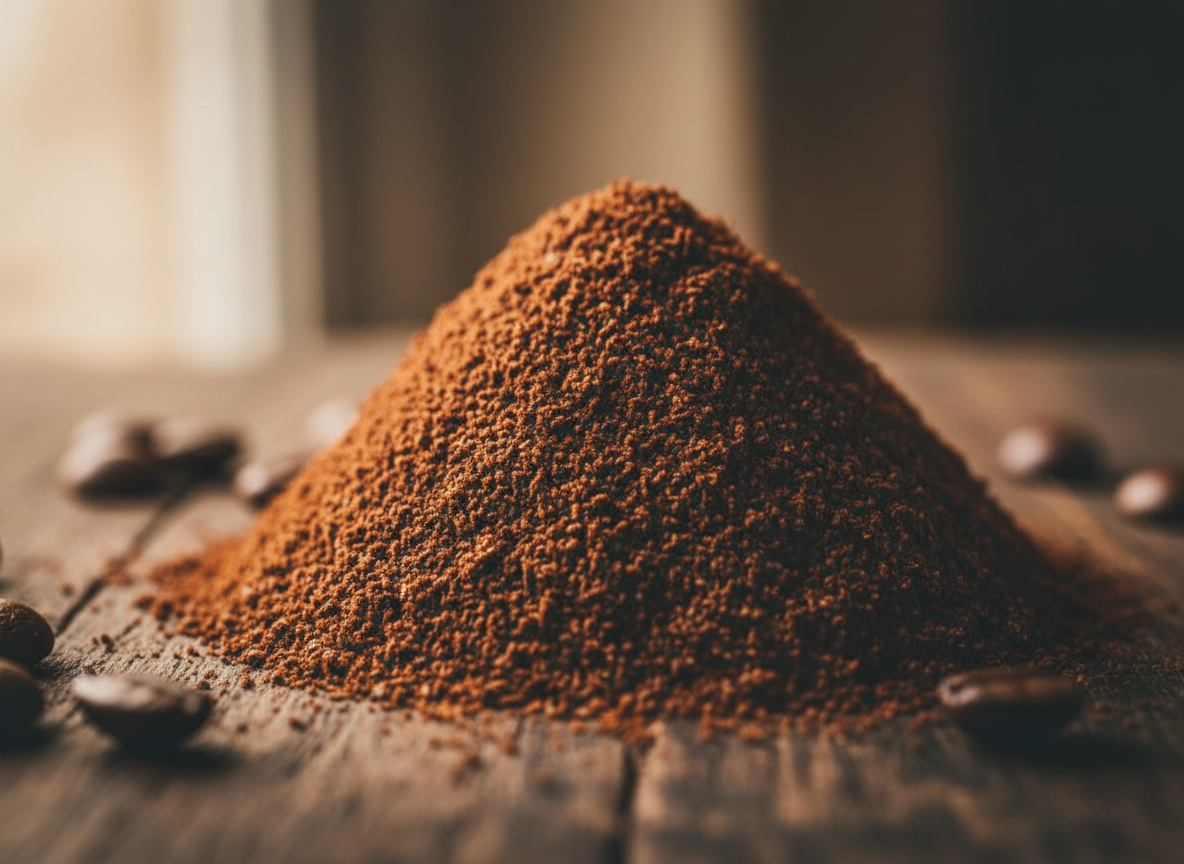
Grind Too Coarse?
Your shot will run fast and taste sour or weak — the water moved through too quickly to extract the good stuff.
Your shot will run slow and taste bitter or astringent — over-extracted.
Grind Too Fine?
Getting this dialed in is one of the most satisfying parts of the learning process. Once you hit that sweet spot — a shot that pulls in around 25–30 seconds and tastes balanced and full — you’ll understand why espresso lovers get so into the details.
The Breville Barista Express has a built-in grinder with adjustable settings, which is one of the reasons it’s a great machine to learn on. If you’re using a separate grinder, look for a burr grinder (not a blade grinder) — burr grinders produce a consistent grind size, which is essential for good espresso.
[A full guide to choosing a coffee grinder for espresso.]
3. The Beans: Where Flavor Begins
A Few Things to Know When Choosing Beans
Freshness matters. Coffee is best within a few weeks of the roast date. Look for a roast date on the bag, not just a “best by” date.
Roast level affects flavor. Medium and medium-dark roasts tend to work well for espresso — they’re balanced, with sweetness and body. Light roasts can be delicious but are trickier to dial in.
Try local first. If you have a local coffee roaster nearby, start there. Freshly roasted, locally sourced beans are a treat — and you’re supporting a small business while you brew.
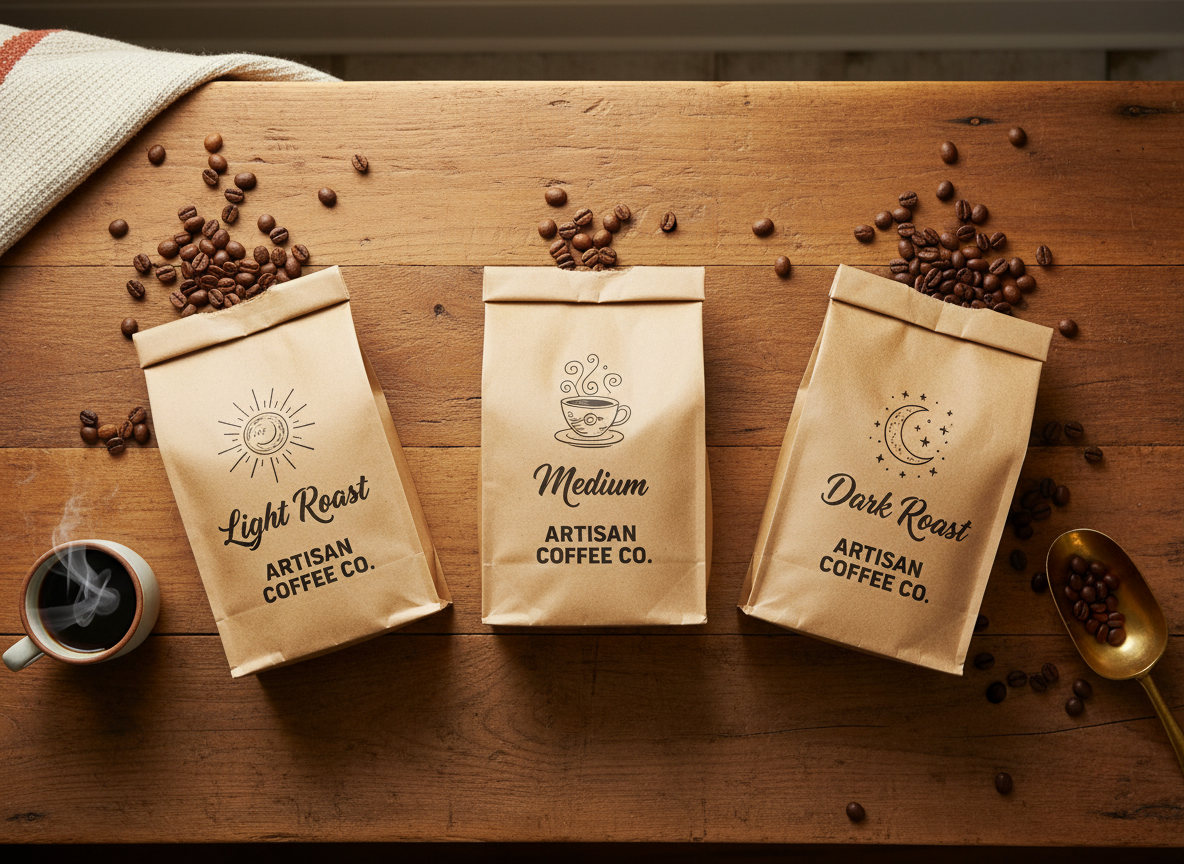
Great espresso starts with great beans — and this is one of the most enjoyable parts of building a home café, because experimenting with different coffees is half the fun.
Don’t overthink it at first. Find a bean you enjoy drinking, get it fresh, and focus on learning your machine. You can explore the world of single-origin and specialty coffee as you go.
[Coming soon: Our favorite coffee bean recommendations for home espresso.]
4. Milk Steaming: The Skill That Unlocks Everything
If you’re a latte person — or you love cappuccinos, flat whites, or cortados — learning to steam milk well is the skill that will elevate your home coffee more than almost anything else.
Steamed milk should be silky and smooth, with tiny, uniform bubbles — what baristas call microfoam. When you get it right, it pours beautifully, blends into your espresso seamlessly, and gives your drink that creamy, café-quality texture.
Here’s the basic technique: start with cold milk in a cold pitcher, submerge the steam wand just below the surface, and introduce a small amount of air before bringing the wand down into the milk to create a swirling vortex. You’re looking for the pitcher to feel warm — not hot — in your hand, and for the milk to look glossy and smooth.
It takes a little practice. But the day it clicks — when you pour a latte and the milk falls in just right — is genuinely exciting.
Full transparency: on most days, I actually prefer my lattes iced. It’s faster—no steam wand cleanup—and honestly, there’s something about cold milk and espresso that just clicks for me. So do I steam milk every single morning? No. But when the weather turns cold, or I’m craving that silky-smooth warmth of a perfect hot latte, I’m so grateful I learned how to do it well. That’s the beauty of building these skills—you get to choose when and how you use them.
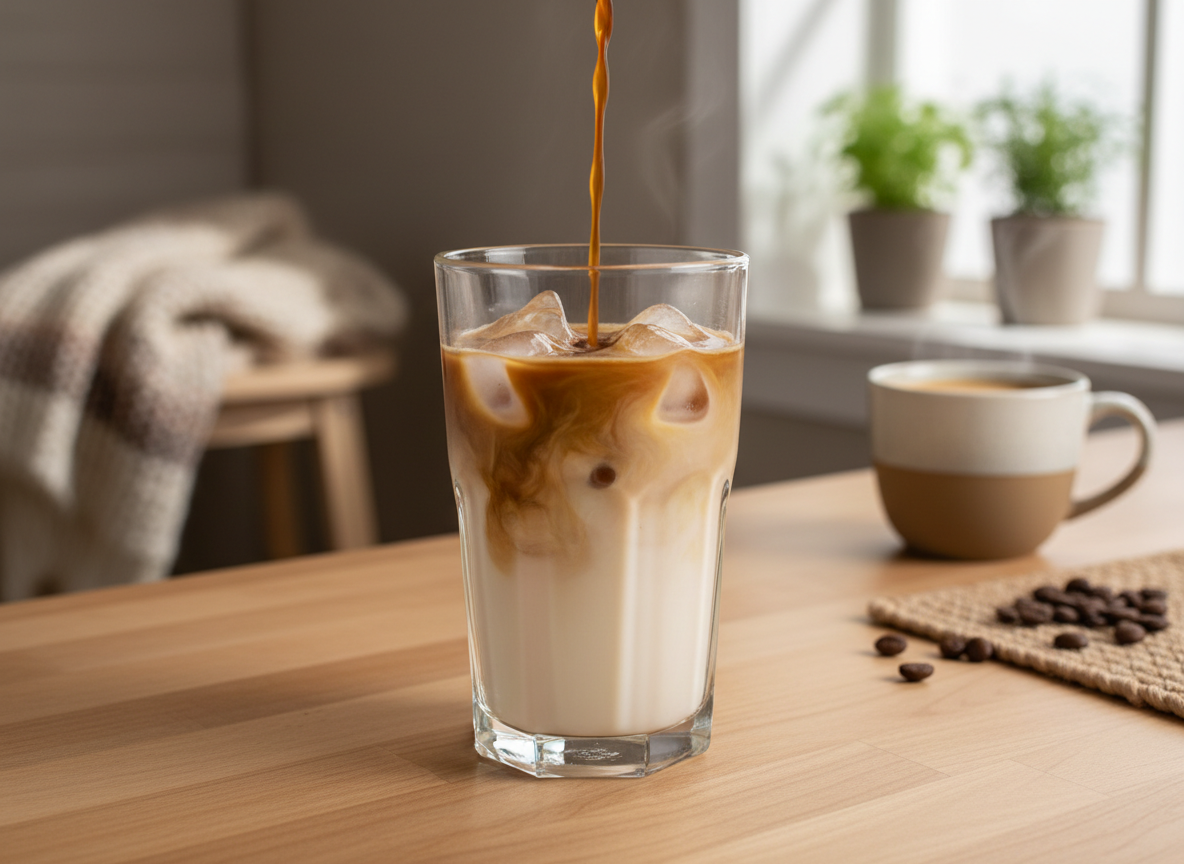
A Few Tips to Get You Started
Use whole milk when you’re learning — it froths the most forgivingly and gives you the richest texture. Once you’ve got the technique down, you can experiment with oat milk, almond milk, and other alternatives.
Invest in a good stainless steel milk pitcher. A 12 oz pitcher is a great size for one or two drinks. The feel of the pitcher in your hand as the milk heats up is actually part of how you gauge temperature — so a thin, cheap pitcher makes it harder to learn.
5. The Little Details That Make It Feel Like a Café
Once you’ve got the basics in place, a few small touches can take your home café from functional to genuinely delightful.
This is something I feel strongly about: making great coffee at home doesn’t mean giving up on your local café.
Water quality is quietly important. Espresso is about 90% water, so the quality of your water affects the quality of your shot. If your tap water tastes off, filtered water will make a noticeable difference. This is one of those small changes that surprises people.
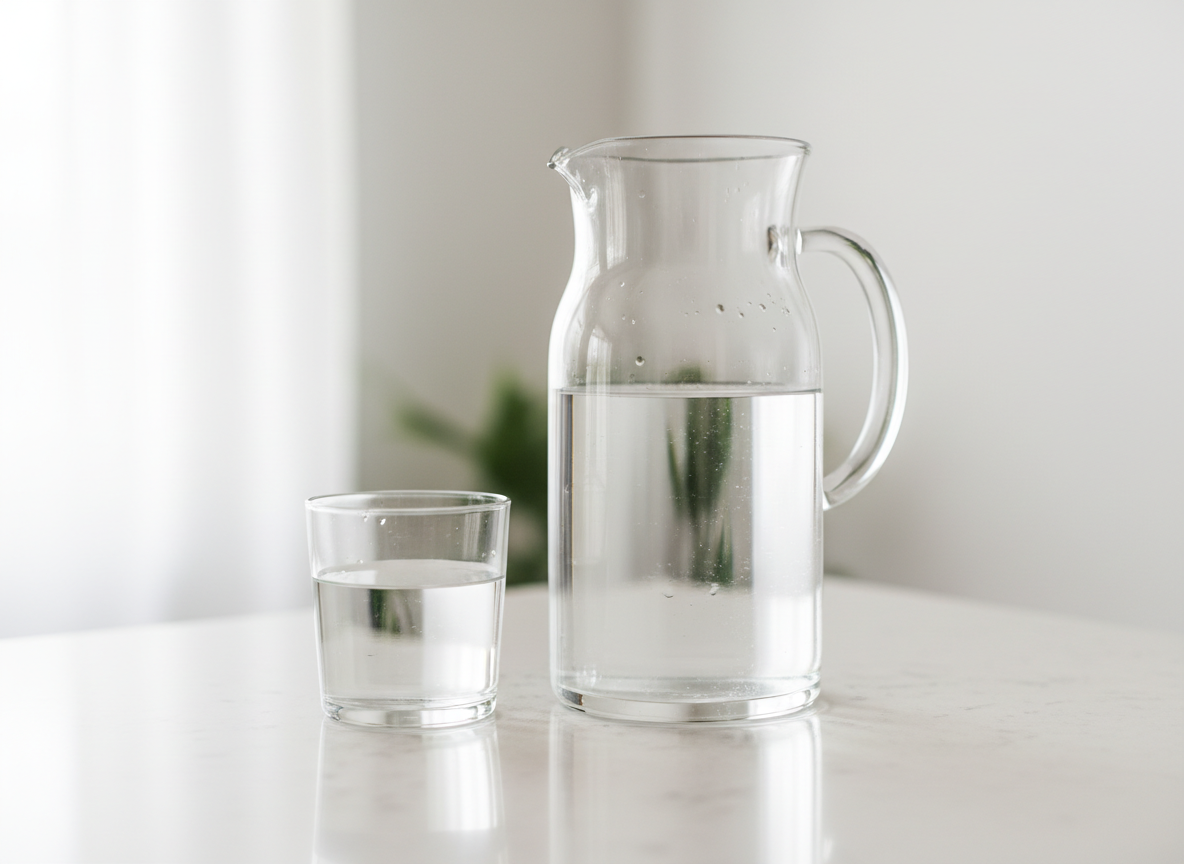
Your glassware matters. A beautiful glass for an iced latte, a wide ceramic mug for a cappuccino, a small espresso cup for a shot — these things don’t change the flavor, but they change the experience. Part of what makes a café feel special is how intentional everything looks and feels. You can bring that into your home.
A Note on Sweeteners and Syrups
Simple syrups are easy to make at home and last for weeks in the fridge. Brown sugar, lavender, cinnamon, vanilla, hazelnut — the options are genuinely fun to explore. I’ll be sharing recipes for some of my favorites right here on the site.
One of the biggest joys of making coffee at home is controlling the sweetness. If you like a hint of vanilla in your latte, you can add exactly as much as you want — not whatever the default pump count is at your local shop.

Create a little ritual. The physical space matters too. A clean, organized coffee corner — your machine, your beans in a sealed container, your pitcher and cups within reach — makes the whole experience feel more intentional. You don’t need a lot of room. Just a spot that feels like yours.
[Coming soon: Tips for setting up your home coffee corner, no matter how much space you have.]
6. Keep Supporting the Coffee Shops You Love
Quite the opposite. When you’re not running to a coffee shop out of daily necessity, your visits become more intentional — and more enjoyable. You go to discover something new. To support a small business. To catch up with a friend over a really good flat white.
Home coffee and café culture aren’t competing ideas. They’re two parts of the same love for great coffee.
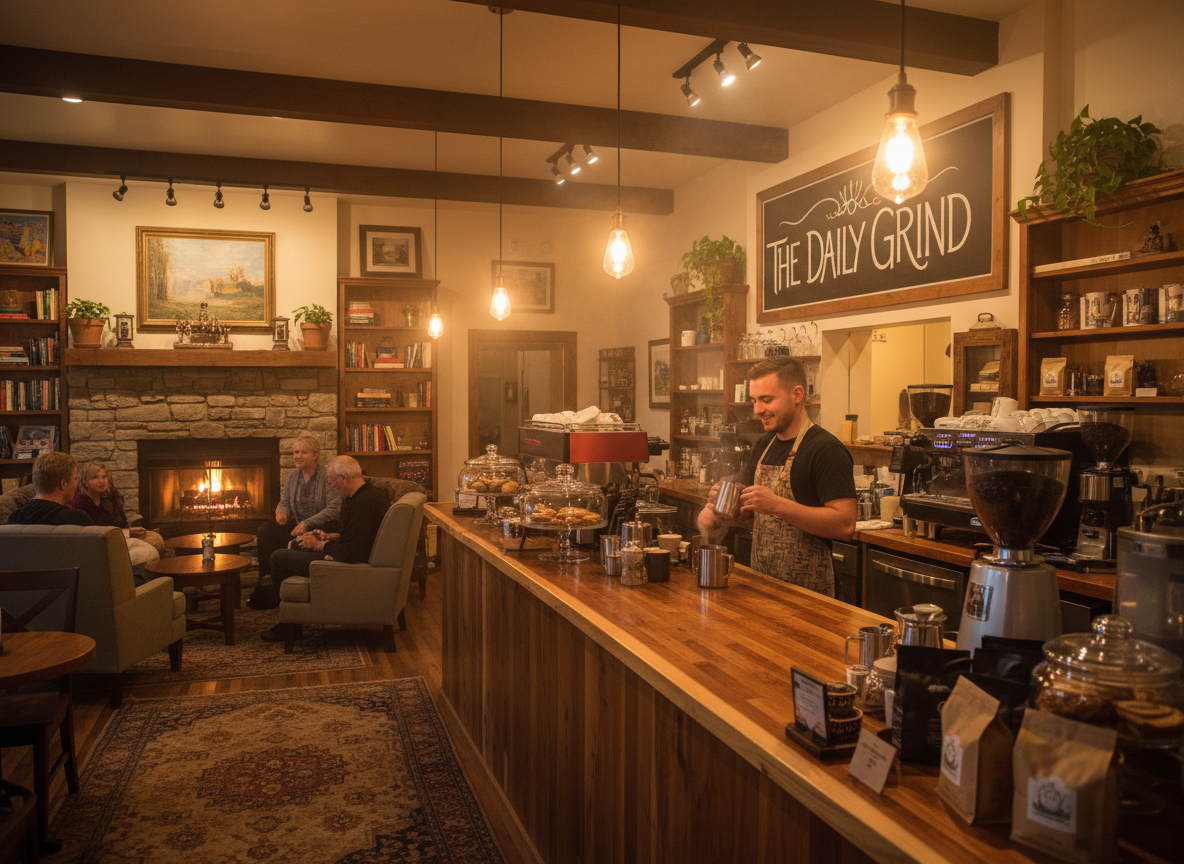
Make your everyday drinks at home. Save your café visits for the moments that deserve them.
Ready to Start? Here’s Where to Begin.
You don’t need to have it all figured out on day one. The best version of your home café isn’t one you build in an afternoon — it’s one you grow into, drink by drink.
Start with a machine you’re excited about. Get fresh beans. Learn one thing at a time. Celebrate the small wins — the first shot that pulls perfectly, the first latte where the milk actually poured right, the first morning when your home café feels like exactly the right place to be.
That’s what Home Café Co. is here for — to walk alongside you as you build something you’re genuinely proud of, one cup at a time.
Welcome. I’m really glad you’re here.
Make Home Your Favorite Café.


Leave a Reply